Liquid Gold of Greece: The Story of Olive Oil
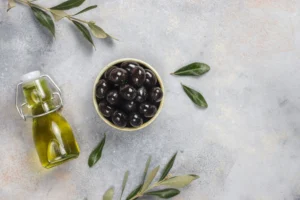
For thousands of years, olive oil has been more than food to the Greek people — it has been a way of life. Known since antiquity as the liquid gold of Greece, olive oil has nourished, healed, and inspired civilizations from the time of Homer to today’s modern kitchens. Its story is woven into the land, the people, and the culture, making it one of the most treasured gifts of Greece to the world.
A Gift from the Gods
According to Greek mythology, the city of Athens owes its name to the goddess Athena, who offered the first olive tree as a gift of peace and prosperity. Since then, the olive has been a symbol of wisdom, strength, and longevity. From religious rituals to Olympic athletes anointing themselves before competition, olive oil has held a sacred place in Greek heritage.
What Makes Greek Olive Oil Unique?
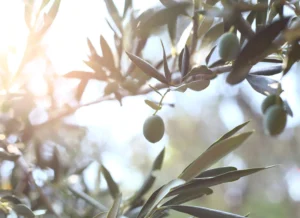
Greece’s rugged mountains, fertile valleys, and endless sunlight create the perfect environment for olive cultivation. The country produces some of the world’s highest-quality extra virgin olive oils, often from small family groves passed down through generations. Unlike mass production, Greek farmers harvest by hand and press their olives quickly after picking, preserving the full flavor and nutrients.
The result is an oil with a vibrant green-golden hue, a fruity aroma, and a balanced taste that ranges from peppery to delicate. Its flavor is as unmistakable as the land it comes from.
Health and Nutrition: Nature’s Medicine
Greek olive oil is not just delicious — it’s also one of the healthiest foods on Earth. Rich in:
- Monounsaturated fats (heart-healthy oleic acid)
- Polyphenols and antioxidants (protecting against inflammation and disease)
- Vitamin E and K (supporting skin, immunity, and bone health)
The Mediterranean diet, with olive oil at its core, has been linked to longevity and lower risks of heart disease, diabetes, and cognitive decline.
Varieties and Uses
From the famed Koroneiki olive of the Peloponnese, known for its intense, fruity oil, to the delicate oils of Crete and Laconia, every region has its own character. Greeks use olive oil everywhere — drizzled over fresh bread, poured onto salads, cooked into stews, and even used in sweets. Beyond the table, olive oil has long been valued in cosmetics, remedies, and religious ceremonies, proving its versatility as both food and medicine.
A Living Tradition
Today, Greek olive oil continues to define the country’s cuisine and culture. Families still gather to harvest olives in the autumn, preserving traditions that date back millennia. Each bottle of extra virgin olive oil is not just a product, but a story of heritage, community, and respect for nature.
To taste Greek olive oil is to experience the essence of Greece itself — pure, authentic, and timeless. It is truly the liquid gold that connects past to present, land to table, and nature to well-being.