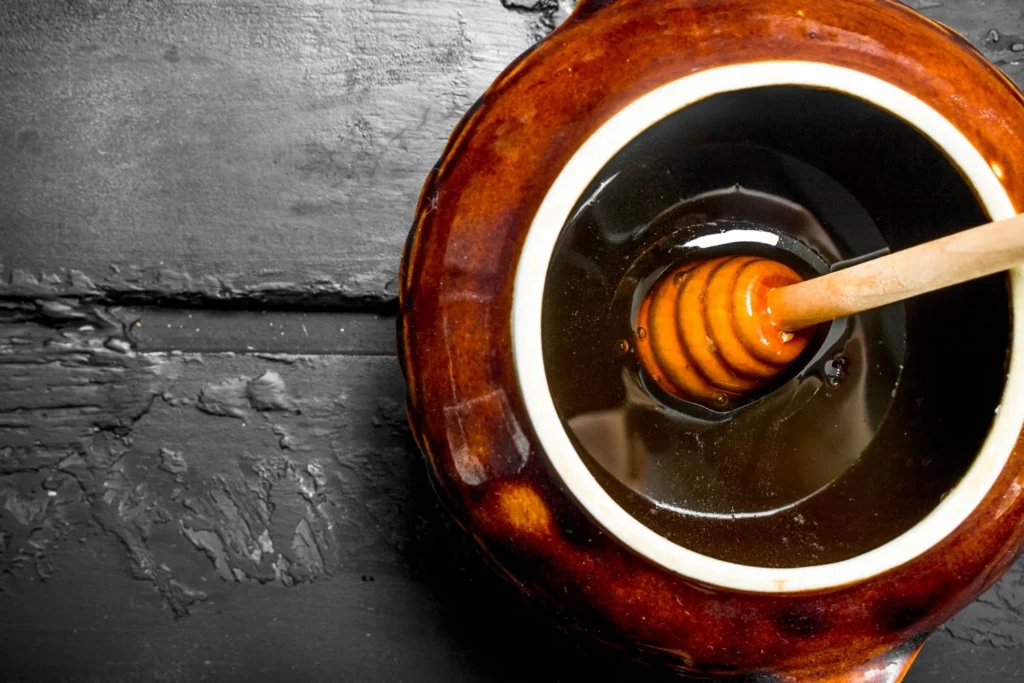
Greek Honey

Fir, Vanilla Fir, Thyme, Pine or Oak Greek Honey

Fir Honey

Source
  • Produced from honeydew, not floral nectar.
  • Bees collect sugary secretions from sap-feeding insects that live on the Greek fir trees (Abies species), typically in mountainous regions such as Pindus, Evrytania, and Central Greece.
  • Color: Deep amber to reddish-brown. Rich and dark, depending on the harvest location and time.
  • Texture: Dense and smooth, with a rich mouthfeel.
  • Flavor: Mildly sweet with deep earthy and resinous notes.
    Subtle hints of wood, herbs, and forest elements.
  • Aroma:Warm and slightly woody, with a hint of spice. Balanced and not overpowering.
  • Rich in trace minerals (potassium, phosphorus, calcium, magnesium).
  • Contains natural enzymes and antioxidants.
  • Supports immune function and digestive health.
  • Naturally lower in sugars than most floral honeys, making it suitable for more balanced diets.
  • Crystallizes very slowly due to low glucose content.
  • Can remain in liquid form for extended periods (often over a year).
  • Slow crystallization is a mark of its purity and mineral richness.

Our Crown Jewel: Vanilla Fir Honey

A honey like no other! A rare treasure of nature and our proudest offering.
Source
  • Harvested exclusively from the fir forests in central Peloponnese.
  • Produced from honeydew of Black Fir trees, this rare honey is considered one of the most exquisite honeys in the world.
  • Color:
    Light amber with distinctive pearly white streaks or iridescence, giving it a “vanilla-like” appearance.
  • Texture:
    Exceptionally thick and creamy with a luxurious consistency.
  • Flavor:
    Refined and delicate with notes of vanilla and caramel — mildly sweet with almost no acidity.
    Lacks the sharpness found in other honeys, making it uniquely smooth.
  • Aroma:
    Subtle, clean, and elegant with light herbal undertones.
  • Naturally rich in minerals and trace elements.
  • Contains polyphenols and antioxidants that help combat oxidative stress.
  • Offers antibacterial and anti-inflammatory benefits.
  • Supports energy metabolism and overall wellness, boosting the immune system
  • Highly digestible and suitable even for sensitive stomachs due to its low acidity.
  • Does not crystallize under normal storage conditions — a rare trait among honeys.
  • Its unique composition (very low glucose content) allows it to maintain its silky liquid form for years, a key sign of authenticity and high quality.

Thyme Honey

Source
  • Produced by bees collecting nectar from wild thyme flowers (Thymus species), especially in rocky, sun-drenched regions of Greece.
  • Harvested predominantly in Crete, the Cyclades islands, parts of the Peloponnese, and mainland Greece.
  • Color:
    • Light amber to golden, sometimes with reddish or copper hues.
  • Texture: Smooth and fluid when freshly harvested; crystallizes over time into a creamy consistency.
  • Flavor:
    • Distinctly aromatic with strong herbal and floral notes.
    • Balanced sweetness with a slightly tangy, earthy finish.
    • Rich, lingering aftertaste reflecting Mediterranean wild herbs.
  • Aroma: Intense and unmistakable, combining floral sweetness with herbal undertones.
  • Naturally rich in antioxidants, especially polyphenols.
  • High in enzymes, vitamins, and minerals supporting:
    • Immune system function
    • Antibacterial and antimicrobial defense
    • Soothing of the throat and digestive support
  • Revered since ancient times in Greece for its therapeutic properties.
  • Moderate crystallization over several months.
  • Natural crystallization indicates purity and minimal processing.

Pine Honey

Source
  • Produced from honeydew, not floral nectar.
  • Bees collect sugary secretions produced by insects (Marchalina hellenica) living on the pine trees (Pinus species).
  • Color:
    • Varies from amber to dark brown depending on the harvest period.
    • Lighter early in the season, darker later.
  • Texture: Thick, dense, and velvety.
  • Flavor:
    • Mildly sweet with earthy, resinous, and woody undertones.
    • Less sugary compared to floral honeys.
    • Subtle notes of herbs and forest floor.
  • Aroma: Fresh, slightly piney, with hints of warm wood.
  • Rich in minerals (potassium, calcium, magnesium).
  • Contains antioxidants, enzymes, and amino acids.
  • Known for:
    • Strengthening the immune system
    • Antibacterial and anti-inflammatory properties
    • High energy support
  • Lower in natural sugars compared to blossom honeys, contributing to slow crystallization.
  • Crystallizes very slowly, often remaining liquid for many months or even years.
  • Due to low glucose and high mineral content.

Oak Honey

Source
  • Produced by bees collecting honeydew (not floral nectar) from the oak trees (Quercus species) in Greece’s mountainous forests.
  • Color: Very dark, almost black in liquid form; lighter with reddish tones when crystallized.
  • Texture: Thick and dense, often with a silky smooth consistency.
  • Flavor:
    • Bold, robust, and earthy with hints of caramel or molasses.
    • Mild sweetness with a slightly woody, malty aftertaste.
  • Aroma: Deep, warm, and subtly smoky.
  • Exceptionally rich in minerals (potassium, magnesium, iron).
  • High in antioxidants, more so than lighter, floral honeys.
  • Contains natural enzymes and bioactive compounds supporting:
    • Immune health
    • Anti-inflammatory effects
    • Digestive wellness
  • Known for its low sugar content compared to nectar-based honeys, making it favored by health-conscious consumers.
  • One of the darkest and most mineral-rich honeys from Greece.
  • Harvested from wild, untouched forests, making it a truly natural product.
  • Often considered a “super honey” due to its strong antioxidant profile.
  • Crystallizes very slowly, often remaining liquid for long periods.
  • Due to high fructose and mineral content.

*A Note on Honey Crystallization
Crystallization is a natural process that occurs in pure, raw honey and is a sign of high quality, not spoilage.
Over time, honey may become thick or grainy — this is completely normal and does not affect its taste, quality, or nutritional value.

To return crystallized honey to its smooth, liquid state:
Gently warm the jar in a bowl of warm water (not boiling) and stir occasionally until it liquefies.
Avoid using a microwave or overheating, as high temperatures can damage honey’s natural enzymes and properties.